
상업 항공기


Airbus
A330-200
KLM네덜란드항공 ☞
에어세르비아 ☞
동영상 ☞
A330-900
모리셔스항공 ☞
A350-1000
버진애틀란틱항공 ☞
카타르항공 ☞
동영상 ☞
A380-800
에미레이트 항공사 ☞
루프트한자 ☞
동영상 ☞
Boeing
737-700
유나이티드항공 ☞
KLM네덜란드항공 ☞
동영상 ☞
757-200
아제르바이잔항공 ☞
아이슬란드항공 ☞
동영상 ☞
777-200er
오스트리아 항공 ☞
유나이티드항공 ☞
동영상 ☞
777-300
캐세이퍼시픽항공 ☞
영국항공 ☞
동영상 ☞
상기 사항은 고객의 이해를 돕기 위한 참고사항 입니다. 항공기의 스팩, 좌석배열 등을 비교하기 위해 해당 기종 운영사(항공사)를 예시하였습니다.
쉽고 편하게 이용하세요
1. 일정
행선지, 인원 등 을 알려주세요.
2. 예상 비용
예상 비용을 알려드려요. 의뢰를 결정하세요.
3. 가능 항공기
기종과 확정 가격을 알려드려요.
4. 컨펌 후 계약(예약)
계약 결정 후 지불하세요.
5. 이용
일반 상업 항공 처럼 일정에 따라 이용하세요.
항공기 운영사 및 관련 기업의 상황에 따라서 업무 진행 절차가 변경 될 수 있습니다.
AviLease has been growing rapidly (fleet ~200 aircraft leased to ~48 airlines as of March 2025) and this bond is part of its funding strategy to support Saudi’s broader aviation and tourism ambitions under Vision 2030.


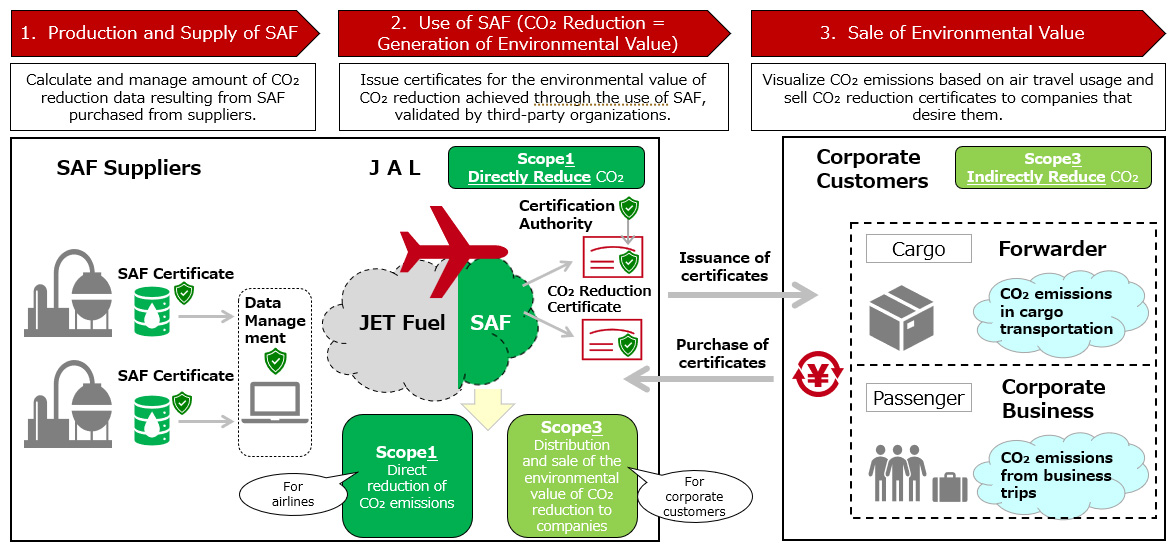
- Purchase-based emissions calculations, irrespective of chain-of-custody used and SAF uplift locations, aligning with ICAO’s CORSIA approach.
- Optional tank-to-wake (TTW) or well-to-wake (WTW) emissions factors to meet varying regulatory and voluntary requirements.
- A consistent accounting approach to address regulatory and voluntary compliance needs.
- No pre-judgement of additionality decisions by the claiming party, as long as no double counting occurs in the accounting of SAF emissions reduction.
- Guidance for SAF emissions reduction in per-passenger and per-shipment calculations.
- Core principles: A level playing field. Prevention of double-counting. Integrity in environmental and reporting claims. Transparent, verifiable data.
- Heathrow increases pioneering Sustainable Aviation Fuel (SAF) incentive scheme - targeting 3% SAF in 2025.
- £86m is available to airllines to support the swap to cleaner fuels, cutting 500,000 tonnes of carbon from flights
- Heathrow also publishes new 'Nature Positive Plan' and announces an update to its sustainability strategy, 'Connecting People and Planet' (Heathrow 2.0)


- Airport operations: Testing to enable single-engine taxi and digital taxi clearances to reduce fuel use and enhance safety by reducing pilot workload
- Airport noise: Quantifying the benefits of flight operation procedures, like steeper glide slope and continuous descent approach, to reduce community noise, fuel use and emissions
- Waste-reducing materials: Lighter, recyclable and more durable floor coverings and recycled carbon fiber ceiling panels – both made with 25% bio-based resin
- Noise and weight reduction: Cabin insulation to better reduce noise and regulate humidity and temperature, and fabric-covered acoustic panels for the bulkhead and galley
- Future cabin concepts: Economy and business class seats with sensors that detect if someone is seated during taxi, takeoff and landing which can improve safety, and reduce crew workload and downtime for maintenance; a touchless water conservation lavatory; and galley technologies to make cabin service more efficient and reduce food waste
The goal of this new nonprofit, nonpartisan coalition is to rapidly scale investment in the SAF sector and advocate for the incentives and policies necessary to promote U.S. economic competitiveness in the emerging SAF marketplace. While SAF Coalition members have been working together informally for years, this newly formed organization will leverage the collective strength of the entirety of the SAF value chain to accelerate the development and deployment of sustainable aviation fuels in the U.S.
The Fly Up is a full English breakfast which is cooked with oil that is then recycled into renewable biofuels, including Sustainable Aviation Fuel (SAF). The aim is to increase understanding of SAF, as it plays a key role in hitting Net Zero by 2050.

The Airbus Lifecycle Services Centre in Chengdu is certified by both the European Union Aviation Safety Agency (EASA) and the Civil Aviation Administration of China (CAAC).
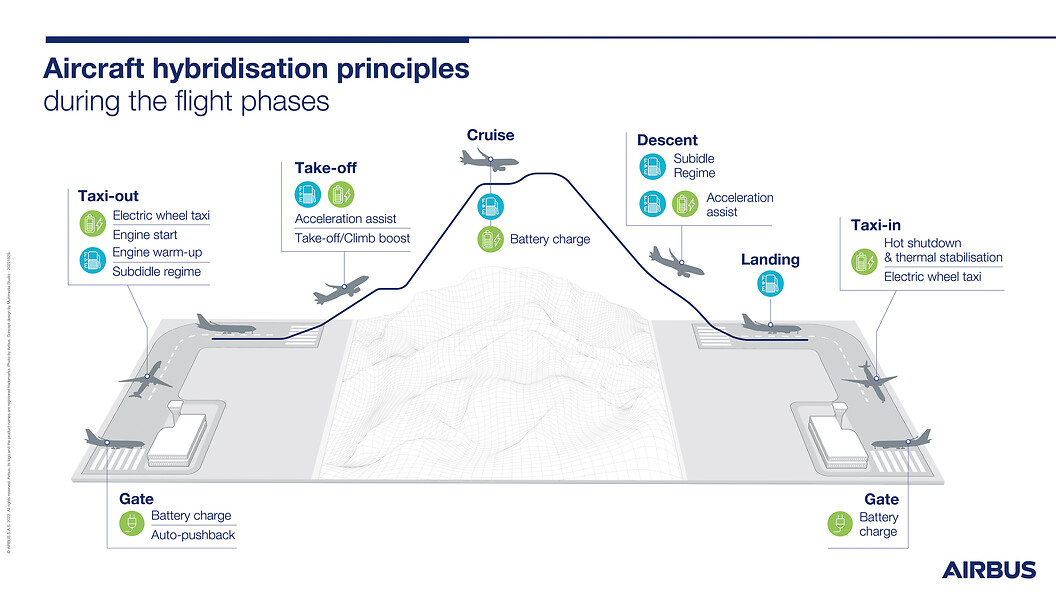
– a disruptive innovation in the aerospace and defence industry


It will take about 10 years for eVTOL, a short-range passenger aircraft, to be fully distributed as a commercial and personal means of transportation. (Berg Insight )
It is easy to predict that a significant number of manufacturers will disappear or be merged in this process. A strategy to connect with users in various ways is needed rather than a simple approach to lead the market by partnering with a specific manufacturer.
#eVTOL #Berg


개인정보 수집 및 이용 동의 / 약관 보기